
KANTO

More than Tokyo
For many visitors, Kanto is their introduction to Japan. The region includes Tokyo and the surrounding prefectures, stretching from the Pacific coast to mountains, lakes, temple towns and hot-spring resorts.
Tokyo understandably dominates most first itineraries, and it deserves time. But Kanto also demonstrates something important about travelling in Japan: you don't always need to go a great distance to experience somewhere completely different.
Within a few hours of the capital you can be walking through forested temple grounds, staying in a ryokan, exploring a historic coastal town or looking towards Mount Fuji.
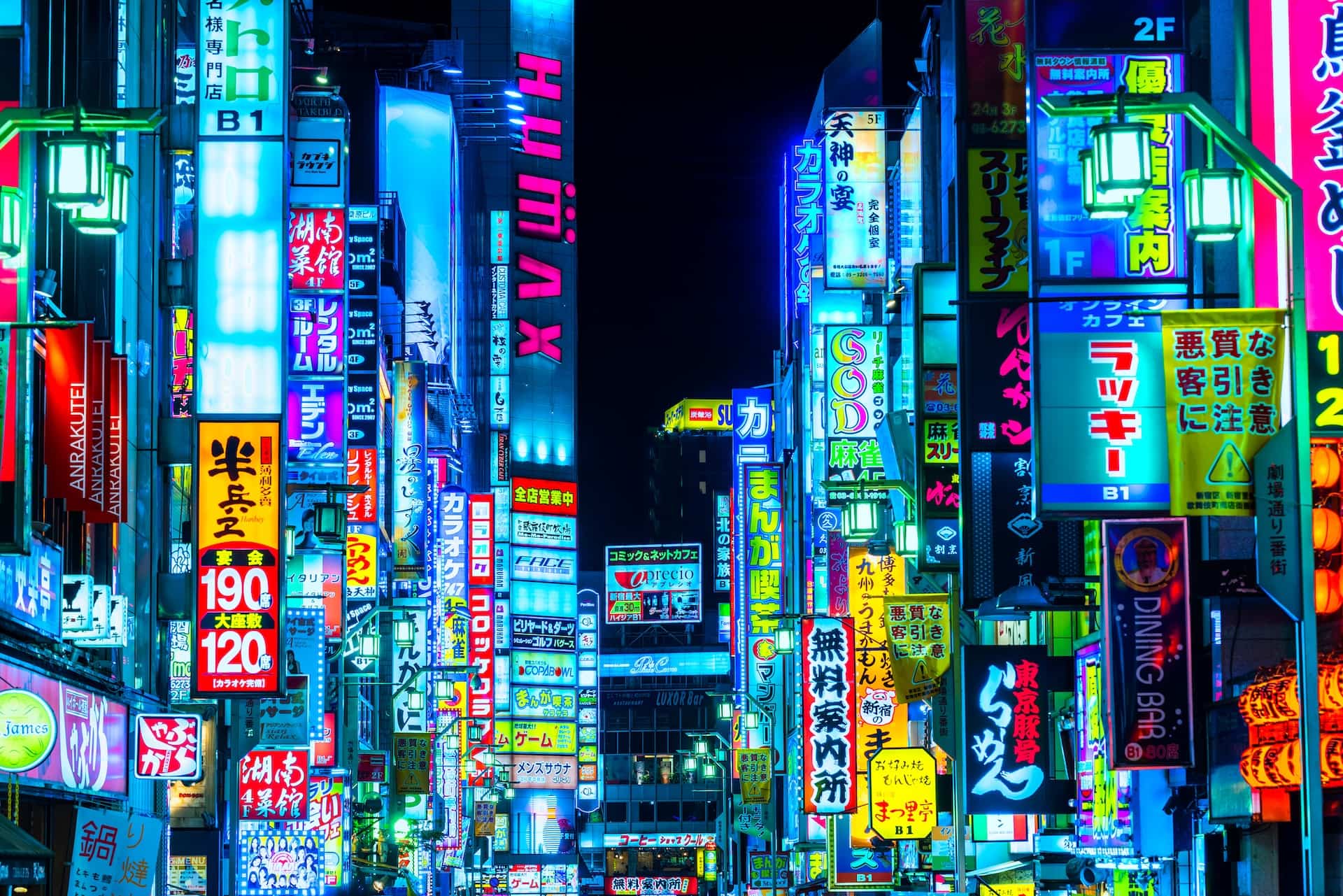
Tokyo
Tokyo is difficult to understand as a single destination because it doesn't really have one centre.
Neighbourhoods such as Shibuya, Shinjuku, Asakusa, Ginza and Yanaka can feel remarkably different from one another, and where you stay can have a considerable effect on your experience of the city.
For a first visit, we generally think Tokyo deserves at least three or four days rather than being treated simply as an arrival point. There is the contemporary city of architecture, fashion, technology and art, but also gardens, temples, small neighbourhoods, traditional shops and an exceptional food culture.
The temptation is to plan every day around a list of famous sights. Tokyo often becomes more enjoyable when you leave enough space to explore between them.
Nikko
North of Tokyo, Nikko combines important religious sites with mountains, forests and lakes.
The lavishly decorated Toshogu Shrine, associated with Tokugawa Ieyasu, is very different from the restrained architecture people sometimes expect of Japanese religious buildings. Together with the surrounding shrines and temples, it gives Nikko considerable historical importance.
Many people visit as a day trip from Tokyo, but staying longer changes the experience. It allows time to explore beyond the principal temple area towards Lake Chuzenji, waterfalls, walking routes and onsen.
Whether Nikko deserves a day or several nights depends on what you want from it.
Kamakura and the coast
Kamakura was once Japan's political centre and remains one of the easiest places to combine history, temples and the coast within reach of Tokyo.
The Great Buddha is its best-known sight, but the town's appeal lies more broadly in its temples, shrines, wooded hills and walking routes.
It can work well as a day away from Tokyo, sometimes combined with nearby Enoshima, although it is popular with Japanese as well as international visitors and can become busy.
As with many well-known places in Japan, when you go and how you structure the day can make a considerable difference.
Hakone and Mount Fuji
Hakone is often included in first-time itineraries as a break between Tokyo and Kyoto.
There are good reasons for that. It offers onsen, ryokan, mountain scenery, art museums and, when the weather cooperates, views of Mount Fuji.
But Hakone isn't the only way to experience Fuji, and it shouldn't be included automatically.
Depending on the season, route and interests of the traveller, other areas around Mount Fuji can make more sense. Equally, if a traditional ryokan and onsen stay is the main objective, there may be places elsewhere in the journey that provide a better fit.
Mount Fuji itself is famously unpredictable. Clear views can never be guaranteed, however carefully a journey is planned.
How Kanto fits into a journey
Most international journeys through Japan will include Kanto because Tokyo is one of the country's principal gateways.
The more interesting question is how much of the region should be included beyond the capital.
With a shorter holiday, Tokyo combined with one carefully chosen excursion or overnight stay may be enough. With more time, Nikko, Kamakura or an area around Mount Fuji can introduce very different aspects of Japan without requiring a major diversion across the country.
Kanto also connects naturally with journeys north into Tohoku, west towards the Japanese Alps and Kyoto, or south towards the Izu Peninsula.
Good routing matters. A place may be close to Tokyo yet make little sense within the wider direction of your journey.
Should Kanto be part of your journey?
For most first-time visitors, the answer is yes — principally because Tokyo deserves to be experienced properly.
But that doesn't mean everybody needs to visit the same places around it.
Someone interested in history and religion may find Nikko particularly worthwhile. A traveller who enjoys walking might prefer Kamakura or the mountains. Someone wanting a ryokan and onsen experience may look towards Hakone, while another itinerary may provide a much better opportunity for that elsewhere.
The advantage of Kanto is the amount of variety available within a relatively compact part of Japan.
The challenge is resisting the temptation to include all of it.
Explore Kanto for ideas. We'll help you decide which parts deserve your time and how they fit into the wider journey.
Gallery:


