
HOKKAIDO

A different side of Japan
Hokkaido feels noticeably different from much of the rest of Japan. The country's northernmost main island has more space, wilder landscapes, colder winters and a relatively recent history of large-scale Japanese settlement.
For travellers drawn to the outdoors, food, wildlife and changing seasons, it can be one of the most rewarding parts of the country. But Hokkaido is large, and trying to see too much of it in a few days rather misses the point.
It works best when you have enough time to enjoy the landscape rather than simply travel through it.
Sapporo and Otaru
Sapporo is Hokkaido's main city and the natural starting point for many journeys through the island.
It's a relaxed, straightforward city with an excellent food culture. Seafood, miso ramen, soup curry and jingisukan – grilled lamb and vegetables – are among the local specialities worth seeking out.
In February, the Sapporo Snow Festival transforms parts of the city with enormous snow and ice sculptures and attracts visitors from across Japan and overseas.
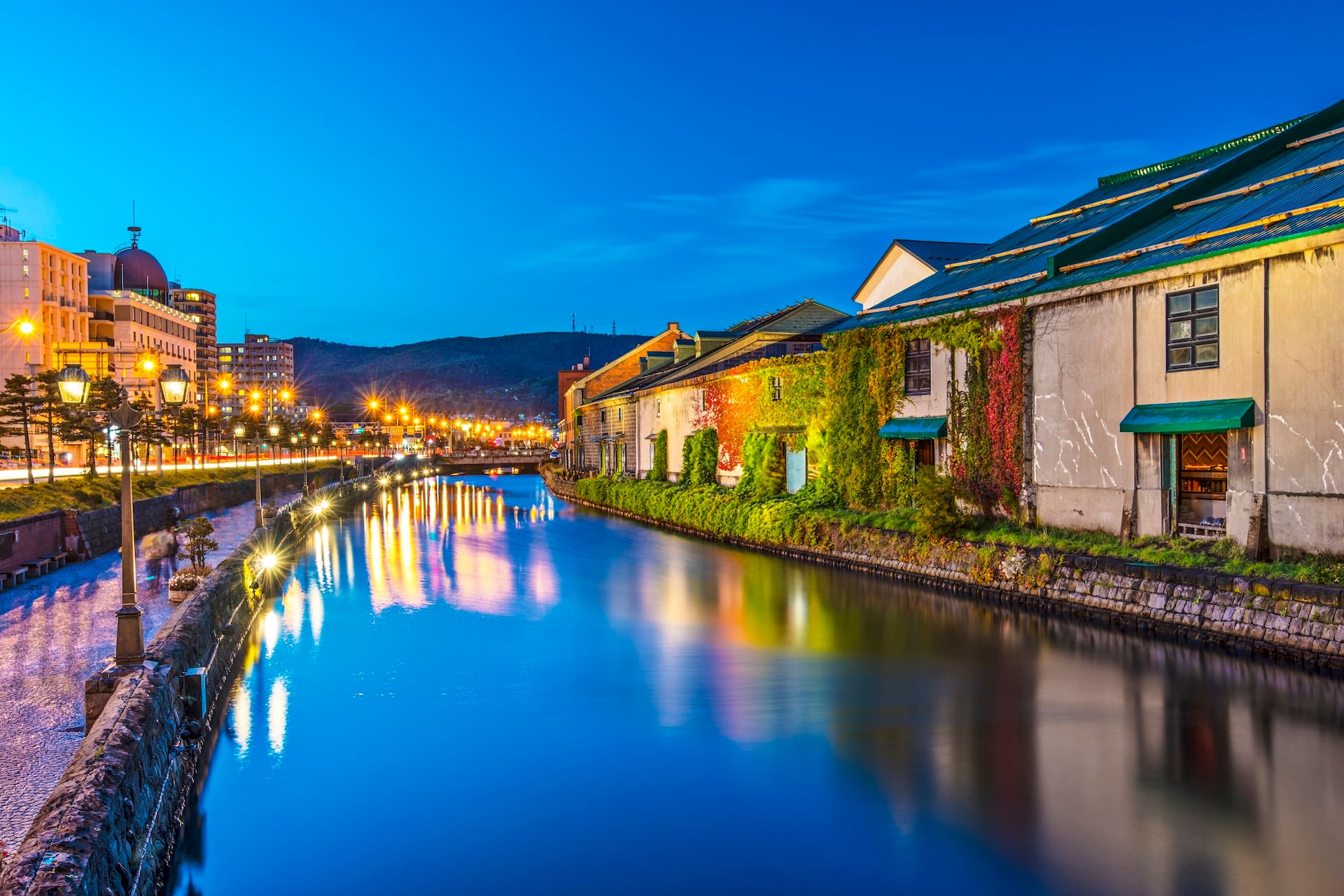
Nearby Otaru offers a change of pace. Its canal and former warehouses reflect the city's history as an important trading port, while its seafood, sushi, glassmaking and small sake producers make it an easy addition to time in Sapporo.
Mountains, national parks and open landscapes
For many people, the strongest reason to travel to Hokkaido lies beyond its cities.
Daisetsuzan National Park, Japan's largest national park, is an enormous landscape of mountains, volcanic terrain and hot springs. In the warmer months it offers some of Japan's best walking, while autumn colour arrives considerably earlier here than it does in Tokyo or Kyoto.
Central Hokkaido around Biei and Furano has a gentler landscape of rolling farmland and distant mountains. The flower fields for which the area is famous are at their best in summer, but the wider countryside is a reason to visit in its own right.
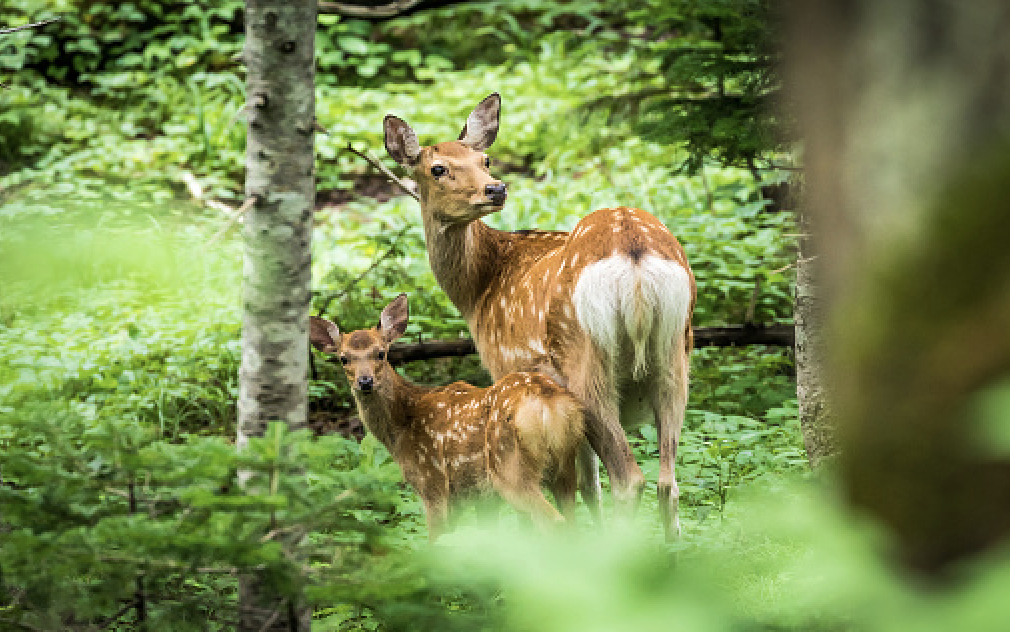
Elsewhere, Hokkaido becomes considerably wilder. Eastern areas such as the Shiretoko Peninsula offer forests, mountains, lakes and wildlife, but distances are substantial and they deserve proper time rather than being added casually to a wider itinerary.
Hokkaido in winter
Winter changes Hokkaido completely.
The island has some of the most reliable powder snow in Japan and is internationally known for skiing and snowboarding. Niseko is the best-known resort, although it is far from the only option.
You don't need to ski to justify coming north in winter. Snow-covered landscapes, hot springs, winter festivals and seasonal food can make Hokkaido an interesting addition to a wider winter journey through Japan.
It does, however, require a different approach to planning. Weather can affect transport, daylight hours are shorter and the distances between places remain considerable.
When should you visit?
There isn't really a single best season for Hokkaido.
Winter is the obvious choice for snow and skiing. Summer offers cooler temperatures than much of central Japan and is particularly good for walking and exploring the countryside. Autumn arrives earlier than further south, while spring and the cherry blossom season come later.
This difference in seasons can be useful when planning a wider journey. Hokkaido can sometimes provide the conditions you're looking for when other parts of Japan are too hot, too crowded or simply at a different point in the year.
Should Hokkaido be part of your journey?
Hokkaido can be an excellent choice if you enjoy walking, landscapes, food, skiing or simply having more space around you.
What we wouldn't usually recommend is adding it to a short first trip simply because you want to see another part of Japan. Flying north for two or three nights and then immediately returning to Honshu can use a surprising amount of time without allowing you to experience much of the island.
With a longer holiday, however, Hokkaido can work extremely well alongside northern Honshu and Tohoku, or as a substantial journey in its own right.
The question isn't simply whether Hokkaido is worth visiting. It is whether you have enough time to experience the parts of it that make travelling north worthwhile.
If Hokkaido sounds like your sort of Japan, we'll help you decide where it fits and how much time to give it.
Gallery: