
When Is the Best Time to Visit Japan?
One of the biggest misconceptions about visiting Japan is that there's a single "best" time to go.
There isn't.
Every season offers something different. Every season asks you to accept a different compromise. The right choice depends far less on the weather than on the sort of holiday you're hoping to have.
This is one of the first decisions we encourage our clients to make because almost everything else follows from it. The time of year influences the scenery you'll experience, the atmosphere in different destinations, accommodation availability, prices and, in some cases, even the route that makes the most sense. Decide when you're travelling first and many of the other planning decisions become much easier.
For many people, spring is the season that first comes to mind.
It's easy to understand why. Cherry blossom has become one of Japan's defining images, and when the timing is right it creates landscapes that are every bit as memorable as the photographs suggest. Parks, castle grounds, riversides and temple gardens take on a completely different character, while the mild temperatures make it an enjoyable time to explore on foot.
It's also worth understanding what comes with that popularity.
Spring is one of Japan's busiest travel periods. Hotels in destinations such as Kyoto often become fully booked months in advance, particularly smaller ryokan and boutique hotels. Flights are usually in greater demand and many of the country's best-known sights are at their busiest.
None of that is a reason not to visit.
It simply means planning becomes more important.
There's another point that's often overlooked.
Cherry blossom isn't a date in the diary. It's a natural event, and the timing changes every year depending on the weather during the preceding weeks. Forecasts become increasingly accurate as spring approaches, but anyone planning a holiday around blossom needs to accept that nature doesn't always follow a timetable. That's one of the reasons we encourage people to think about the overall experience rather than focusing on a single day of peak bloom.
Autumn presents a different set of opportunities.
For many travellers, it offers some of the most comfortable conditions of the year. The humidity of summer has largely disappeared, temperatures are generally pleasant and the changing colours bring another dimension to temple gardens, mountain landscapes and historic towns.
One assumption we hear surprisingly often is that October is "the month" for autumn colours.
Japan simply doesn't work like that.
The country stretches for more than 3,000 kilometres from north to south, and the seasons move gradually through it. Autumn colours begin in Hokkaido and the higher mountain regions before slowly reaching central Japan and, later still, parts of Kyushu. In Kyoto, for example, some of the finest displays often arrive during the second half of November and can continue into early December.
There's another reason why older travel advice should be treated with a little caution.
In recent years, warmer autumns have delayed peak colour in some regions compared with historical averages. That doesn't happen everywhere, and it doesn't happen to the same extent every year, but it does mean that articles written a decade ago may no longer reflect current conditions. Rather than relying on old assumptions, it's always worth checking the latest seasonal forecasts before finalising your itinerary.
Summer is perhaps Japan's most underestimated season.
Many people immediately think of heat and humidity, and across much of the country that's certainly true. June also brings the rainy season to many regions. It's easy to conclude that summer should be avoided altogether.
We don't think that's always the case.
Japan is remarkably diverse. While Tokyo, Kyoto and Osaka may be experiencing high temperatures, Hokkaido often enjoys much cooler conditions and the mountain regions provide welcome relief from the heat. Summer is also the season of traditional festivals, spectacular fireworks displays and long evenings spent outdoors. A carefully planned summer itinerary can feel completely different from one focused solely on Japan's largest cities.
Winter is often overlooked for similar reasons.
People assume it will simply be cold.
Sometimes it is.
But winter also offers experiences that aren't possible at any other time of year. Snow transforms much of Hokkaido and the Japanese Alps, outdoor hot springs become even more memorable and clear winter skies frequently provide some of the best views of Mount Fuji.
Away from the ski resorts, many popular destinations are noticeably quieter than they are during spring or autumn. For travellers who don't mind packing a warm coat, winter can be one of Japan's most rewarding seasons.
So, when is the best time to visit?
We usually answer that question with another one.
What sort of holiday are you hoping to have?
If you've always imagined seeing cherry blossom, then spring is probably the right answer. If you enjoy walking, gardens and comfortable temperatures, autumn may suit you better. If festivals, hiking or family travel during the school holidays are your priority, summer deserves much more consideration than it often receives. If you're drawn to snow, hot springs and quieter sightseeing, winter may surprise you.
The best time to visit Japan isn't the season someone else recommends.
It's the season that best matches the holiday you want to remember.
10
Aug
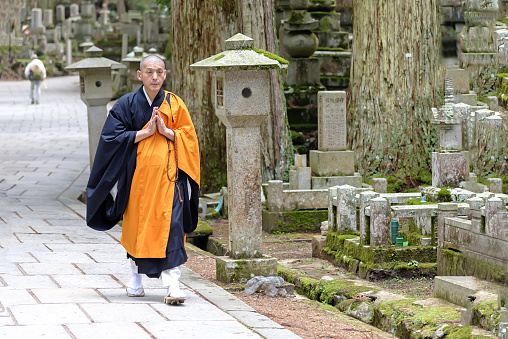
Best Places to Visit in Japan: What Is Really Worth Seeing?
Japan has far too much to experience in one holiday. Discover how to decide which places genuinely deserve a place in your particular journey.
09
Aug
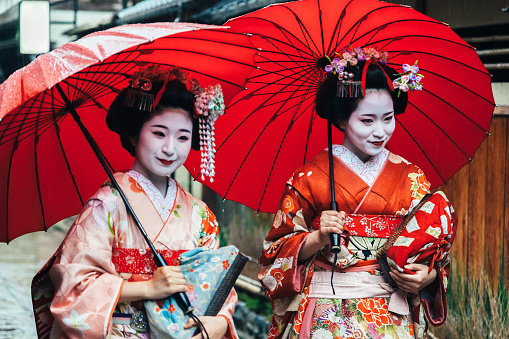
Geisha, Geiko and Maiko: What Visitors Should Know
Understand the differences between geisha, geiko and maiko, the traditions behind their profession and how visitors can experience this part of Japanese culture respectfully.