
What Should You Book, and When?
One of the biggest misconceptions about planning a holiday to Japan is that everything needs to be organised as early as possible.
It's an understandable concern. Japan has a reputation for being busy, particularly during cherry blossom and the autumn colours, and many people worry that if they don't book everything months in advance they'll miss out on the experiences they've been looking forward to most.
The reality is rather more reassuring.
Some parts of a holiday genuinely benefit from early planning.
Others don't.
Understanding the difference makes the whole process much less daunting.
Accommodation is usually the best place to begin.
We've mentioned already that the time of year influences availability, but it's worth explaining why. Japan has no shortage of hotels, yet many of the places people remember most are surprisingly small. A family-run ryokan may only have a handful of guest rooms. An independent boutique hotel in Kyoto may have fewer than twenty guests. During the busiest seasons, those properties are often reserved months before visitors even begin looking at flights.
That doesn't necessarily mean prices will continue rising if you wait.
More often, it means choice gradually disappears.
The hotel that seemed perfect in January may simply no longer be available by the spring, leaving you choosing between the accommodation that's left rather than the accommodation you really wanted.
That's one of the reasons we encourage people to think about where they would most like to stay before worrying about some of the smaller details of the holiday.
Once the accommodation is in place, many of the other decisions become much easier.
Experiences are slightly different.
It's true that some of Japan's most popular restaurants, specialist guides and cultural activities need to be arranged well in advance, particularly if they're an important part of the holiday. Equally, some of the most enjoyable experiences in Japan are the ones you never planned at all. A tiny restaurant discovered while wandering through an unfamiliar neighbourhood, a gallery you hadn't expected to visit or a quiet temple reached simply because you had time to take a different turning can become just as memorable as the experiences booked months before you left home.
Planning isn't really about filling every day.
Quite the opposite.
The best itineraries usually combine thoughtful preparation with enough flexibility for those unexpected moments to happen.
People sometimes worry that booking too much too early somehow removes the sense of adventure.
We've never found that to be the case.
If anything, careful planning creates more freedom. Knowing that your accommodation is exactly where you hoped it would be, that the experiences which mattered most have already been arranged and that your journey flows naturally from one destination to the next allows you to spend far less time thinking about logistics once you're in Japan.
Instead, you simply get on with enjoying it.
Ultimately, deciding when to book isn't really about being organised.
It's about giving yourself the greatest possible freedom to choose.
Because once the best options have disappeared, no amount of planning can bring them back.
10
Aug
Best Places to Visit in Japan: What Is Really Worth Seeing?
Japan has far too much to experience in one holiday. Discover how to decide which places genuinely deserve a place in your particular journey.
09
Aug
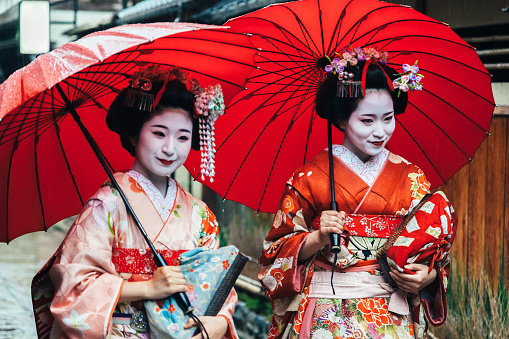
Geisha, Geiko and Maiko: What Visitors Should Know
Understand the differences between geisha, geiko and maiko, the traditions behind their profession and how visitors can experience this part of Japanese culture respectfully.