
Getting Around Japan: Trains, Transport and Luggage
One of the biggest concerns people have before visiting Japan is how they'll travel around the country.
It's an understandable worry.
From the UK, Japan can seem vast. The language is unfamiliar, the railway map looks bewildering at first glance and many people assume that travelling between cities will be one of the more stressful parts of the holiday.
In our experience, the opposite is usually true.
Japan has one of the most efficient public transport networks in the world and, once you've spent your first day or two travelling around, most people find it remarkably straightforward. Trains are clean, reliable and punctual, stations are generally well signposted and, despite their size, often work with a level of order that's difficult to appreciate until you've experienced it for yourself.
That doesn't mean there aren't decisions to make.
One of the biggest misconceptions is that every journey should be made on the Shinkansen, or bullet train, simply because it's famous. The Shinkansen is undoubtedly one of Japan's great achievements and travelling on it is an experience in itself. It's fast, comfortable and connects many of the country's major cities with remarkable efficiency.
That said, it's only one part of the picture.
Some of the most rewarding journeys happen on much slower trains.
Travelling through the Japanese Alps, following the coastline of the Sea of Japan or winding through rural valleys often becomes part of the holiday rather than simply the way of getting from one place to another. Occasionally, taking a little longer adds far more to the experience than arriving as quickly as possible.
The same applies to other forms of transport.
Visitors sometimes assume they'll need to hire a car in order to experience rural Japan. In reality, much of the country is exceptionally well connected by rail and bus, and for many itineraries a car simply isn't necessary. In other parts of Japan, particularly some areas of Hokkaido or Kyushu, having your own vehicle provides a level of flexibility that public transport can't easily match.
Neither option is better.
It depends entirely on where you're travelling and what you hope to experience.
One area where thoughtful planning can make a surprising difference is luggage.
Many first-time visitors imagine carrying large suitcases through busy stations every few days. It's certainly possible, but it isn't something we'd usually recommend. Japan's luggage forwarding services are efficient, reliable and widely used, allowing larger cases to be sent ahead while you travel with just a small overnight bag. It's one of those simple ideas that can completely change the rhythm of a journey, particularly if you're spending a night in a traditional ryokan or travelling through the mountains.
People also ask us surprisingly often whether the Japan Rail Pass is still worthwhile.
The answer is no longer as straightforward as it once was.
Following significant price increases, the pass no longer represents the automatic saving it did for many years. For some itineraries it still offers excellent value, while for others buying individual tickets is both simpler and less expensive. The right choice depends entirely on the route you've chosen, which is why it's difficult to give a single answer that applies to everyone.
Perhaps the biggest surprise for many visitors is how quickly travelling around Japan becomes part of the enjoyment rather than something to endure.
A journey on the Shinkansen isn't simply a way of reaching Kyoto. Watching the landscape change as the train leaves Tokyo, catching your first glimpse of Mount Fuji on a clear day or opening a carefully chosen ekiben lunch all become part of the experience. Even smaller local trains have a habit of revealing parts of Japan that many visitors would otherwise never see.
Travelling through Japan isn't something to worry about.
It's one of the pleasures of visiting the country.
Once you've experienced it for yourself, it's often difficult to imagine exploring Japan any other way.
10
Aug
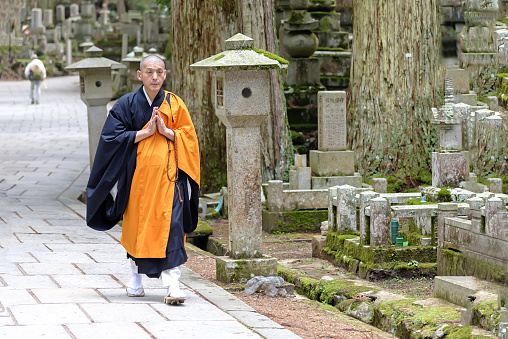
Best Places to Visit in Japan: What Is Really Worth Seeing?
Japan has far too much to experience in one holiday. Discover how to decide which places genuinely deserve a place in your particular journey.
09
Aug
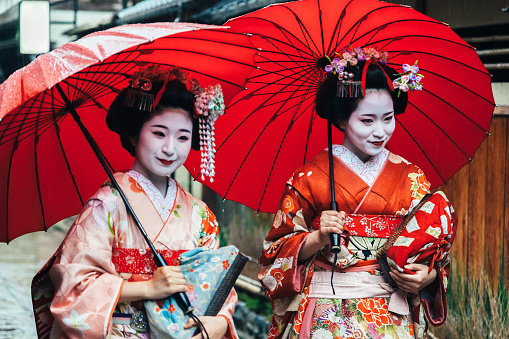
Geisha, Geiko and Maiko: What Visitors Should Know
Understand the differences between geisha, geiko and maiko, the traditions behind their profession and how visitors can experience this part of Japanese culture respectfully.